Dual Pricing: Pay 0% in Card Fees Without Breaking the Rules
Two posted prices. The customer chooses. You keep your full cash price on every sale. Here is how it works, how it differs from surcharging and cash discounting, where it is legal, and what it looks like on the counter.
Dual pricing posts a cash price and a card price on every item. The card price is usually 3% to 4% higher and covers the cost of acceptance, so the merchant nets the cash price on every transaction and pays $0 in processing fees.
It is not a surcharge. Surcharges add a fee to one posted price, are capped at 3% by Visa, cannot touch debit, and are restricted in California, Connecticut, Massachusetts and Maine. Dual pricing applies to credit and debit alike and is compliant when both prices are visible before payment.
Setup takes one day on Clover, Dejavoo, Exatouch and most modern terminals. Signage at the entrance and register is required.
How the numbers work
| Item | Traditional processing | Dual pricing |
|---|---|---|
| Posted price | $40.00 | $40.00 cash / $41.56 card |
| Customer pays by card | $40.00 | $41.56 |
| Processing cost (3.9% program) | $1.16 at 2.9% | $1.56, funded by the card price |
| Merchant nets | $38.84 | $40.00 |
| On $30,000 a month in cards | Merchant pays about $870 to $1,200 | Merchant pays $0 |
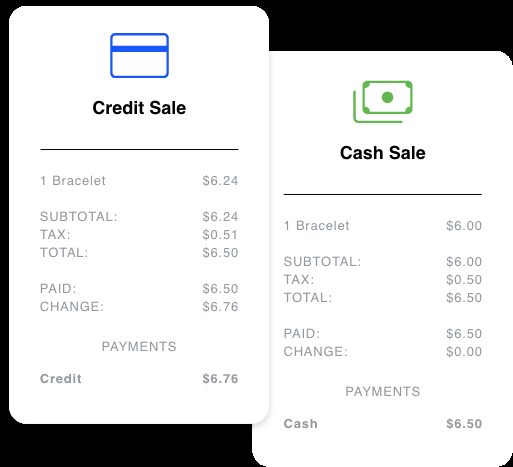
The card price is set once in the terminal. Receipts show the price paid and the payment method. The customer-facing screen shows both prices before the card is tapped, which is the disclosure the card brands look for.
Rules, Comparisons and Setup
Dual Pricing vs Surcharging vs Cash Discount: What Each One Is and Which One to Run
The three ways to stop absorbing card fees, compared on disclosure, debit cards, the 3% cap, state rules, receipts and customer reaction. With a decision table.
Is Dual Pricing Legal in California? What the Surcharge Ban, SB 478 and Card Rules Actually Require
California restricts card surcharges and, since July 2024, bans advertised prices that omit mandatory fees. Dual pricing with both prices shown is the model that fits.
Want to see dual pricing on your actual volume?
Text your monthly card volume and average ticket. We reply with what you pay now, what you would pay under dual pricing (zero) and what your customers would see on the screen.